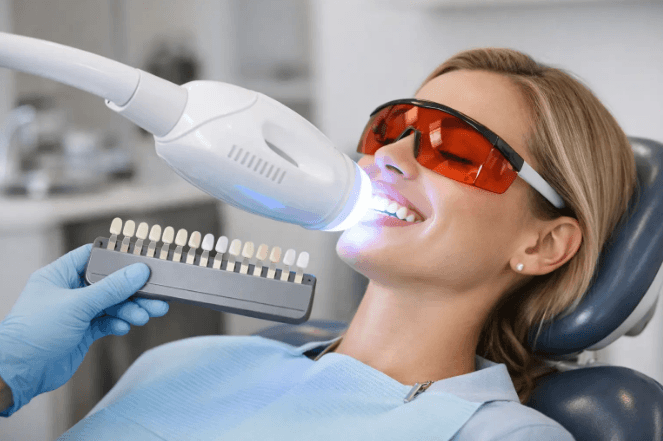
You look in the mirror and notice the small things first. Maybe your teeth seem a little darker in photos, or one tooth looks different from the rest, or the bright white shade you saw online suddenly feels less appealing when you picture it on your own face. That tension is real. You want a fresher smile, not a smile that looks forced, flat, or unlike you. For thoughtful guidance and options, visit dentistsofhinsdalelake.com.
Choosing a teeth whitening goal that suits your natural smile starts with one simple idea. Whiter is not always better. The best result usually matches your skin tone, tooth shape, age, and the natural color your teeth can realistically reach. A good whitening plan improves your smile without making it look artificial, and a dentist can help you avoid the common mistake of chasing a shade that was never going to look natural in the first place.
Natural looking teeth whitening starts with your real tooth color
Teeth are not meant to be paper white. Healthy enamel often has subtle variation, and the dentin under the enamel affects the shade you see. Some teeth also respond differently to whitening because stains do not all come from the same source. Coffee, tea, red wine, tobacco, aging, and certain medicines can all change color over time. The result is that your starting point matters more than most ads admit.
This is where frustration builds. You buy strips or a whitening pen, use it exactly as directed, then compare your results to edited photos online. If your teeth have gray tones, patchy staining, fillings on front teeth, or enamel wear, the outcome may not match what you expected. Whitening can brighten natural tooth structure, but it does not lighten crowns, veneers, or tooth colored fillings. That mismatch is often what makes a smile look off.
The better goal is balance. A brighter smile should still look like your smile. The American Dental Association’s guidance on whitening explains that whitening works best when it is based on the cause of discoloration and done with safety in mind. That matters because one person’s ideal shade can look harsh or uneven on someone else.
A brighter smile goal should fit your features and your daily life
A natural result is not only about color. It is also about contrast. Very bright teeth can draw attention to uneven edges, old dental work, or gum recession. If you already have sensitivity, trying to push several shades lighter too quickly can leave you avoiding cold drinks and second guessing the whole process. You may be thinking, I just wanted to feel better about my smile. That is often where people end up when the goal was based on trend instead of fit.
There is also the issue of maintenance. Whitening is not one time and done. If you drink coffee every morning, sip tea through the day, or smoke, the shade can fade faster. A realistic whitening target is easier to maintain and often costs less over time. If your job puts you face to face with people all day, you may want a result that looks clean and polished without seeming too stark under office lighting or in close conversation.
Some discoloration needs a closer look before any whitening starts. Deep staining, pain, one dark tooth, or sudden color change can point to a dental issue rather than a cosmetic one. MedlinePlus explains common causes of tooth discoloration, and that list is a good reminder that shade changes are not always just surface stains.
Professional whitening and over the counter products create different results
Choosing the right teeth whitening shade often comes down to how much control you want over the process. Store bought products can help with mild surface stains. Professional treatment offers stronger whitening agents, custom trays, and a dentist’s judgment about what will look natural on your face and what will protect your enamel and gums.
| Option | Best For | Benefits | Limits |
| Whitening toothpaste | Minor surface stain control | Easy to use, low cost, supports maintenance | Does not change deeper tooth color much |
| Whitening strips or gels | Mild to moderate staining | More noticeable brightening than toothpaste, home use | Can cause uneven results or sensitivity, less control |
| Custom trays from a dentist | People who want a tailored result | More even coverage, adjustable pace, better fit | Higher cost than store products |
| In office whitening | Faster cosmetic change | Quicker results, professional supervision | Not right for every type of stain, may increase sensitivity |
The root issue is not whether one option is always better. It is whether the method matches your teeth, your budget, and your goal. A person with thin enamel and old bonding on front teeth needs a different plan than someone with healthy enamel and coffee stains. A dentist can spot those differences quickly.
Healthy teeth make whitening look better and last longer
Whitening looks best on clean, healthy teeth. If plaque buildup, gum irritation, or untreated cavities are present, whitening can become uncomfortable and the final shade can look less even. Good daily care also helps you hold onto the result you paid for. The National Institute of Dental and Craniofacial Research offers practical oral hygiene basics that support both appearance and long term dental health.
This is why the smartest cosmetic plan is often less dramatic than people expect. Cleanings, stain removal, small repairs, and a moderate whitening goal can create a smile that looks healthy, polished, and believable. That usually reads better than an ultra white shade that does not match the rest of your features.
See also: Health and Wellness Revolution: The Ultimate Guide to Holistic Living
Small steps lead to a whitening goal that feels right
1. Compare your smile in natural light. Look at your teeth near a window, not only in bathroom lighting. Notice whether the issue is overall yellowing, one dark tooth, or stain near the gumline. This helps you avoid picking a goal based on filtered images or bright retail packaging.
2. Decide what “better” actually means to you. You may want to look healthier, younger, or more polished in photos. That is different from wanting the brightest shade possible. A clear goal makes it easier to choose between whitening toothpaste, strips, or professional care.
3. Get a dental opinion before going too far. If you have sensitivity, crowns, fillings, gum recession, or uneven color, book a visit with a dentist before buying stronger products. That one step can save you money, discomfort, and the disappointment of a result that never had a chance to look even.
Your smile does not need to look different from everyone else’s to look good. It needs to look healthy, natural, and right on you. When you set a whitening goal that respects your real tooth color and your overall features, the result tends to feel calmer and more confident. If you are ready to improve your smile, talk with a dentist about a whitening plan that fits your natural look.
