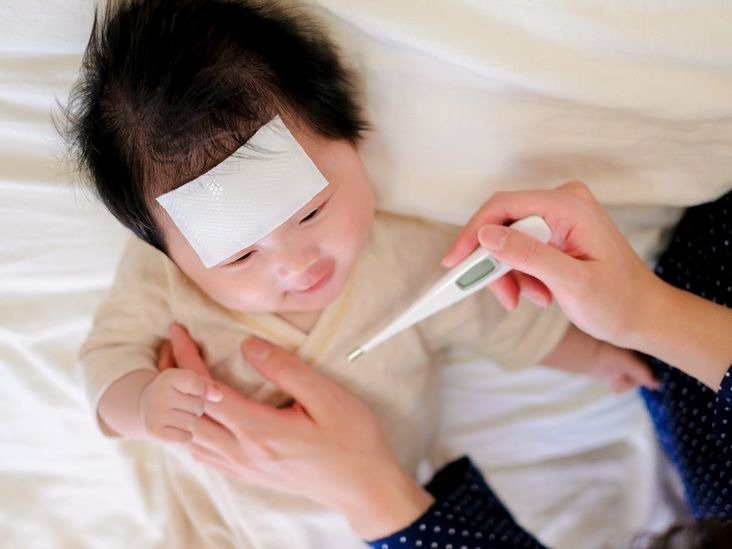
“Baby fever” is a common phrase for a strong, sometimes sudden desire to have a baby or become a parent. It can feel emotional, physical, practical, or all of these at once. For some people, it appears after spending time with a baby; for others, it grows gradually while imagining a future family.
Understanding the feeling can make it easier to respond thoughtfully rather than treating a powerful moment of longing as an immediate decision.
The emotional side of baby fever
Baby fever often feels like a warm pull toward caregiving, closeness, and family life. You may find yourself imagining holding a baby, hearing a child laugh in your home, or creating new routines around parenthood.
Common emotional experiences include:
- Feeling especially touched by babies, pregnancy announcements, or family moments
- Daydreaming about names, nursery ideas, and future traditions
- Feeling a sense of longing when friends or relatives become parents
- Wanting to nurture, protect, and care for someone
- Feeling excited by the idea of watching a child grow and develop
The intensity varies widely. It may be a passing reaction to a sweet interaction with a child, or it may signal a deeper wish to become a parent.
Why the feeling can seem sudden
Sometimes baby fever seems to arrive “out of nowhere.” A major life change, a stable relationship, a new home, or seeing peers enter parenthood can bring the topic into sharper focus. Media, family expectations, and personal milestones may also influence how often someone thinks about having children.
There is no single explanation that applies to everyone. The phrase baby fever meaning can include emotional desires, social influences, biological considerations, and reflections about one’s future.
Baby fever is not always a clear decision
Wanting a baby does not necessarily mean you are ready to have one right now. A strong emotional response can exist alongside understandable concerns about relationships, finances, health, work, housing, support systems, or timing.
It can help to separate two questions:
- Do I want to become a parent someday?
- Am I prepared to begin the parenting journey now?
Both answers can be valid, even if they are different. You can deeply want children and still choose to wait, plan, or explore what parenthood would look like in your circumstances.
How to reflect on what you are feeling
When baby fever feels intense, slowing down can bring clarity. Consider journaling or talking with a trusted person about what specifically appeals to you. Is it the idea of pregnancy, caring for an infant, raising a child over many years, building a family, or experiencing a new stage of adulthood?
Useful questions may include:
- What does parenthood mean to me personally?
- What kind of support would I need?
- How do I picture daily life, not only special moments?
- Am I responding to my own values or to outside pressure?
- What would help me feel more prepared?
There is no need to judge yourself for having these thoughts. Reflection simply helps turn an emotional impulse into an informed choice.
Exploring different paths to parenthood
People reach parenthood in many different ways and at different stages of life. Some plan with a partner, while others consider becoming parents independently. If solo parenthood is something you are thinking about, learning about how to have a baby on your own may help you understand the questions and options involved.
The most suitable path depends on personal circumstances, goals, health considerations, legal context, and the support available around you. Speaking with qualified medical, legal, or financial professionals may be appropriate when you are ready to explore specific decisions.
When baby fever brings difficult emotions
Baby fever is not always joyful. It can also bring sadness, frustration, grief, anxiety, or loneliness—especially for people facing fertility concerns, relationship changes, financial uncertainty, or pressure from others.
If these feelings become overwhelming, talking with a therapist, counselor, or trusted healthcare professional can be valuable. Supportive conversations can create space for both the desire for a child and the complicated emotions that may surround it.
See also: Hire Event Staff: What Businesses Should Prepare
A feeling worth listening to, not rushing
Baby fever can be a meaningful signal about your hopes, values, and vision for the future. It may be fleeting, or it may reveal a long-term desire for parenthood. Either way, the feeling deserves compassion and honest reflection.
You do not have to make an immediate choice simply because the longing feels strong. Giving yourself time to understand what you want—and what you need—can be an important part of making a decision that feels right for your life.
