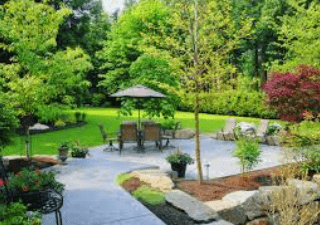
Eco-friendly landscaping design inspires resilient outdoor spaces that respect both people and planet. This approach centers native, low-water palettes, soil-building practices, and permeable irrigation to reduce resource use. It emphasizes biodiversity, climate-positive outcomes, and long-term autonomy for clients. A balanced mix of drought-tolerant textures, mulch, and groundcovers protects soils while lowering maintenance. The path invites careful consideration of choices that endure, mature, and adapt with seasons, offering practical ideas that feel within reach.
Why Eco-Friendly Landscaping Matter
Eco-friendly landscaping matters because it reduces environmental impact while enhancing long-term resilience. The approach centers client empowerment and sustainable design, delivering measurable outcomes without compromising freedom. Water conservation and biodiversity benefits shape resilient ecosystems, diminished maintenance, and lower utility costs. This mindset honors place, supports regenerative cycles, and invites ongoing stewardship, aligning personal liberty with collective ecological health and enduring landscape value.
Native Plant Palettes for Low-Water Gardens
Native plant palettes for low-water gardens prioritize species that are adapted to local climate and soil conditions, delivering color, structure, and seasonal interest while minimizing irrigation and maintenance.
The approach favors native palettes that thrive with less input, supporting clients’ freedom to design sustainably. Drought tolerant textures, mulch, and groundcovers unify native palettes into resilient, low water gardens.
Water-Smart Techniques and Soil-Building Practices
Water-smart techniques and soil-building practices focus on reducing irrigation needs while enhancing soil health to support resilient landscapes. The approach centers on permeable irrigation systems, soil microbiome stewardship, and drought resilient mulch layers, guiding clients toward freedom through regenerative choices. Procedures emphasize efficient water use, organic matter enrichment, and strategic plant selection for lasting, low-maintenance, climate-positive outdoor spaces.
Drought-Tolerant Textures, Mulch, and Groundcovers
Drought-tolerant textures, mulch, and groundcovers build on water-smart principles by selecting materials and plantings that minimize irrigation needs while maximizing soil protection and visual interest.
The approach centers on client autonomy, offering sustainable, regenerative options that adapt to climate realities.
Drought tolerant textures, mulch groundcovers, support low-maintenance landscapes, improve resilience, and nurture a freedom-forward, environmentally conscious outdoor experience.
Frequently Asked Questions
How Do I Start an Eco-Friendly Landscape on a Budget?
A mindful planner starts by prioritizing native plants and rainwater capture, guiding the client toward low cost materials and scalable steps. This approach emphasizes start up budgeting, minimizes waste, and supports regenerative, freedom-focused landscape transformation.
Can Edible Landscaping Blend With Native Plantings?
The statistic shows biodiversity loss by 40% in recent decades, alarming yet reversible. Edible native integration supports resilient landscapes, while pollinator friendly pairing harmonizes flavor with habitat. It aligns client freedom with sustainable, regenerative, native-conscious gardening.
What Permits or Codes Apply to Sustainable Yards?
Permitting requirements vary by jurisdiction, but sustainable yards generally require compliance with local building and zoning codes, stormwater rules, and landscape guidelines. The client-centered approach emphasizes proactive planning, ensuring code compliance while pursuing regenerative, freedom-focused, environmentally responsible design outcomes.
See also: The Future of Mobile Connectivity
How Do I Measure Water Savings From Strategies?
Measuring water savings requires precise data and consistent methods: measure water savings, compare baseline usage, and track irrigation efficiency through flow rates, timer accuracy, and weather-adjusted consumption. It emphasizes client-centered, sustainability-focused, regenerative outcomes with freedom-driven insight.
Which Wildlife-Friendly Features Attract Pollinators?
Pollinator-friendly features include pollinator corridors and native plant guilds, which attract diverse pollinators while supporting ecosystem resilience; the client gains autonomy and sustainability, enabling regenerative landscapes that align with freedom, curiosity, and long-term ecological balance.
Conclusion
In sun-warmed earth, colors settle into a quiet resilience. Native leaves whisper with seasonal winds, stitching a tapestry of low-water beauty that requires less, not more, as roots delve deeper. Water-smart rhythms cradle soil—mulch thickens, groundcovers creep, and permeable beds drink only what the land grants. Clients walk through a regenerative landscape that forgives drought, invites biodiversity, and grows with them. Sustainable dreams take root, blooming into enduring harmony between home, garden, and planet.
