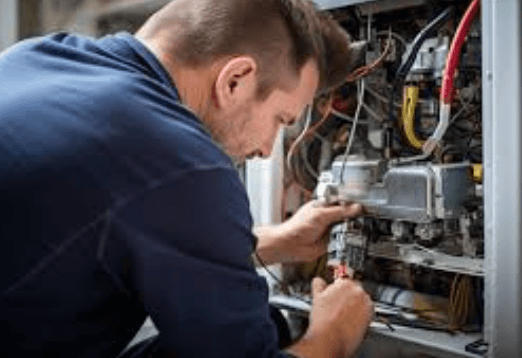
You rely on your furnace to keep your home safe and comfortable through Ottawa’s long, cold winters, and a few simple maintenance steps each year prevent breakdowns, reduce energy bills, and extend equipment life. Schedule a professional tune-up and monthly filter checks, and you’ll avoid most emergency repairs while keeping your system running efficiently.
This article Furnace Maintenance Ottawa walks you through the essential tasks you can do yourself, explains what trustworthy Ottawa technicians should provide during a service visit, and helps you choose a licensed, experienced contractor so you don’t overpay or miss critical safety checks. Keep reading to learn practical, local-focused steps that protect your comfort and budget.
Essential Furnace Maintenance Tasks
You need a clear, actionable plan to keep your furnace safe, efficient, and reliable through Ottawa winters. The steps below focus on inspection, filter care, and cleaning/lubrication so you can reduce breakdown risk and control energy use.
Annual Inspection Checklist
Schedule a licensed HVAC technician for a yearly tune-up and safety inspection. Ask for checks of the heat exchanger for cracks, the burner assembly for proper ignition and flame pattern, and the flue and venting for blockages or corrosion.
Have the technician test safety controls: the limit switch, high-temperature cutoffs, and the carbon monoxide detector(s) near the furnace. Request combustion efficiency testing (CO and CO2 levels) and a gas pressure check if you use a gas furnace.
Document the technician’s findings and recommended repairs. Keep the service record, model and serial numbers, and any parts replaced. This helps you track recurring issues and supports warranty claims.
Filter Replacement Guidelines
Replace disposable filters every 1–3 months during heavy use. Choose the correct size and MERV rating for your system; a MERV 6–8 is adequate for basic dust control without stressing many older furnaces.
If you use a washable or reusable filter, clean it monthly and inspect for damage; replace if bent or torn. Homes with pets, smokers, or high dust levels should shorten replacement intervals.
Always turn the furnace off before removing the filter. Check airflow direction marked on the filter frame and ensure the new filter seats flush to avoid bypass, which reduces effectiveness.
Cleaning and Lubrication Procedures
Clean the blower assembly, motor housing, and accessible ductwork openings annually to remove dust buildup. Use a soft brush and shop vacuum; avoid pushing dust into the motor or controls.
Lubricate motors and bearings only if the manufacturer provides oil ports. Use the specified oil type and apply a few drops per port; over-oiling can attract dust and gunk the bearings.
Wipe down electrical connections and terminal strips with a dry cloth, and tighten loose connections to prevent arcing. Replace worn belts and inspect pulleys for alignment; a slipping belt reduces efficiency and shortens component life.
Selecting Professional Services in Ottawa
Choose a service that holds proper certifications, offers clear pricing, and has experience with Ottawa’s cold-climate systems. Expect a detailed inspection, safety checks, and written recommendations during the visit, and confirm technicians follow provincial safety rules and local bylaws.
How to Choose Certified Technicians
Look for TSSA (Technical Standards and Safety Authority) certification for gas technicians and ESA approval where electrical work is involved. Ask for the technician’s card or licence number and verify it with the issuing body before booking.
Check for a current business insurance certificate and proof of WSIB coverage to protect you from liability. Prioritize companies with positive, recent local reviews and references from neighbourhoods similar to yours (Barrhaven, Kanata, or Orleans, for example).
Request a written estimate that lists parts, labour, and applicable taxes. Avoid vague quotes; a clear scope prevents surprise charges and helps you compare bids objectively.
What to Expect During a Service Visit
Technicians should arrive with identification, company vehicle signage, and all required tools. They will perform a visual inspection, change or inspect the air filter, check combustion and venting systems, and test ignition and safety controls.
They should measure temperatures, static pressure, and, for gas furnaces, check flame pattern and CO levels using a calibrated detector. Expect them to document findings and explain any faults in plain language.
You should receive a written service report with recommended repairs, parts cost, and an estimated timeline. If they suggest replacement, ask for efficiency comparisons, projected fuel savings, and available financing options.
See also: Cheapest Compounded Tirzepatide: Common Questions, Risks, and Better Comparison Criteria
Local Regulations and Safety Standards
Ottawa homeowners must ensure gas work complies with Ontario and TSSA regulations; any new furnace installation typically requires a permit and inspection. Confirm your contractor pulls permits when required and provides the final inspection certificate.
Carbon monoxide and combustion safety standards govern installation clearances, venting, and chimney connections. Ask technicians to show CO test readings and to confirm vents meet municipal codes.
For rebates or municipal incentives, installations often need documented proof of TSSA-certified technicians and specified efficiency levels. Keep copies of invoices, permits, and the technician’s licence for warranty and rebate claims.
