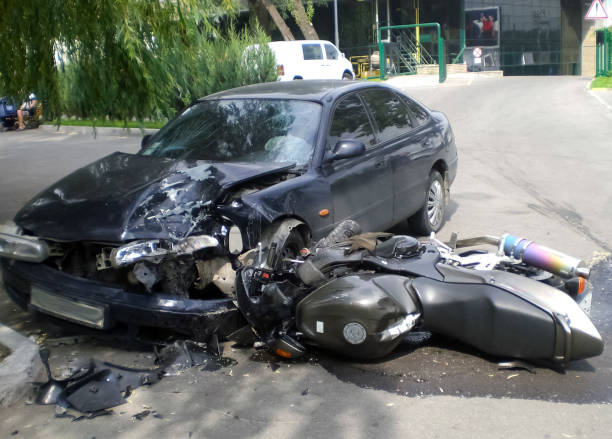
Motorcycle accidents frequently result in severe injuries, expensive medical treatment, and long term recovery challenges for victims. Unlike occupants of passenger vehicles, motorcyclists have very little physical protection during a collision, making even relatively low speed accidents potentially life changing. In addition to the physical and emotional impact of these crashes, motorcycle accident victims often face complicated insurance disputes and legal challenges when pursuing compensation.
Because motorcycle accidents can involve serious injuries, disputed liability, and long term financial losses, many victims seek guidance from an experienced motorcycle accident attorney denver to better understand their legal rights and recovery options. Legal representation may help injured riders navigate insurance negotiations, preserve evidence, and pursue compensation that reflects the full impact of the accident.
Why Motorcycle Accidents Frequently Cause Severe Injuries
Motorcycles provide far less protection than passenger vehicles during collisions. Riders are more exposed to direct impact forces, roadway hazards, and secondary injuries caused by being thrown from the motorcycle. Even when riders wear helmets and protective equipment, the risk of catastrophic injury remains significantly higher than in most standard vehicle accidents.
Traumatic brain injuries are among the most serious injuries associated with motorcycle accidents. Head trauma may occur during impact with another vehicle, the road surface, or surrounding objects. These injuries can affect memory, concentration, speech, emotional stability, and long term cognitive functioning.
Spinal cord injuries, fractures, internal bleeding, road rash, and orthopedic injuries are also common in motorcycle crashes. Severe injuries often require surgeries, rehabilitation programs, physical therapy, and long term medical care. Some victims may experience permanent disabilities that affect mobility, employment opportunities, and overall quality of life.
The emotional impact of motorcycle accidents can also be substantial. Anxiety, depression, post traumatic stress symptoms, and fear of driving may continue long after physical injuries begin healing. These long term effects are often considered when calculating compensation in personal injury claims.
What Commonly Causes Motorcycle Accidents?
Motorcycle accidents can occur for many reasons, but driver negligence is one of the leading contributing factors in many collisions involving motorcycles. Because motorcycles are smaller and less visible than passenger vehicles, drivers sometimes fail to notice riders when changing lanes, making turns, or entering intersections.
Distracted driving is a major concern in motorcycle accidents. Drivers using mobile phones, navigation systems, or other distractions may fail to recognize nearby motorcycles in time to avoid a collision. Speeding, aggressive driving, tailgating, and failure to obey traffic signals may also contribute to serious crashes.
Left turn accidents are especially common in motorcycle collisions. Drivers turning across traffic sometimes misjudge the speed or distance of approaching motorcycles, creating dangerous intersection accidents. Unsafe lane changes and failure to check blind spots also contribute to many motorcycle crashes.
Road hazards can pose additional risks for motorcyclists. Uneven pavement, potholes, loose gravel, construction debris, and poor road maintenance may create dangerous riding conditions. Weather conditions such as rain, snow, or ice can further reduce traction and increase accident risks for riders.
Mechanical defects involving brakes, tires, or motorcycle components may also contribute to collisions. In certain cases, manufacturers or maintenance providers may share responsibility if equipment failures played a role in the accident.
Why Liability Disputes Are Common in Motorcycle Accident Cases
Motorcycle accident claims often involve disputes regarding fault and liability. Insurance companies sometimes rely on unfair stereotypes about motorcyclists when evaluating claims, assuming riders were speeding or driving recklessly even when evidence suggests otherwise.
Colorado follows modified comparative negligence laws, meaning compensation may be reduced if the injured rider is found partially responsible for the accident. Insurance adjusters may attempt to shift blame onto the motorcyclist in order to reduce settlement amounts or deny portions of the claim.
Establishing liability often requires detailed investigation and strong supporting evidence. Police reports, witness statements, surveillance footage, traffic camera recordings, accident reconstruction analysis, and medical documentation may all become important parts of the legal process.
An experienced denver motorcycle accident lawyer may work with investigators and accident reconstruction experts to determine how the crash occurred and identify negligent actions that contributed to the collision.
What Compensation May Be Available After a Motorcycle Accident?
The financial impact of a motorcycle accident can become overwhelming, particularly when injuries require long term medical treatment or prevent victims from returning to work. Compensation in motorcycle accident claims is generally intended to help victims recover both economic and non economic damages caused by the collision.
Medical expenses are often one of the largest categories of damages in motorcycle accident cases. Compensation may include emergency treatment, surgeries, hospitalization, physical therapy, rehabilitation programs, medications, specialist appointments, and future medical care needs. Severe injuries may require ongoing treatment for years after the accident.
Lost wages and reduced earning capacity may also be recoverable if injuries prevent the victim from working temporarily or permanently. In cases involving permanent disabilities, future income losses may become a major component of the claim.
Pain and suffering damages may account for physical pain, emotional distress, reduced quality of life, psychological trauma, and long term discomfort caused by the accident. Property damage compensation may include motorcycle repair or replacement costs as well as compensation for damaged riding gear and personal belongings.
In some cases, punitive damages may also become relevant if the at fault driver engaged in especially reckless behavior such as drunk driving or excessive speeding.
Why Insurance Companies Often Challenge Motorcycle Injury Claims
Insurance companies frequently investigate motorcycle accident claims aggressively because severe injuries can result in significant financial exposure. Adjusters may question injury severity, dispute medical treatment, or attempt to argue that the rider’s actions contributed to the crash.
Early settlement offers are common in serious injury cases, but these offers may fail to account for future medical expenses, rehabilitation costs, lost earning capacity, and long term emotional effects of the accident. Accepting a settlement too quickly may leave victims responsible for substantial expenses later.
Insurance providers may also attempt to use social media activity, recorded statements, or gaps in medical treatment to weaken injury claims. Legal representation can help protect victims from tactics designed to reduce compensation and ensure claims are supported by strong evidence.
Attorneys handling motorcycle accident claims often gather medical records, expert evaluations, accident reports, witness testimony, and financial documentation to strengthen settlement negotiations and prepare for potential litigation if necessary.
How Legal Representation Can Help Motorcycle Accident Victims
Motorcycle accident cases often involve complicated legal procedures, evidence preservation issues, and extensive negotiations with insurance companies. Attorneys representing injured riders typically conduct detailed investigations, calculate long term damages, and advocate for compensation that accurately reflects the full impact of the accident.
Legal teams may work with medical professionals, accident reconstruction specialists, vocational experts, and economists to evaluate future medical needs and financial losses associated with serious injuries. Attorneys also help ensure compliance with Colorado legal deadlines and procedural requirements.
If settlement negotiations fail, attorneys may prepare the case for trial and present evidence before a judge or jury. Insurance companies are often more willing to negotiate fairly when they know experienced legal counsel is prepared to pursue litigation.
According to information available on the firm’s website, Lampert & Walsh represents individuals involved in motorcycle accidents and other serious personal injury claims throughout Colorado. Their legal team handles cases involving severe injuries, insurance disputes, and long term accident related damages.
Conclusion
Motorcycle accidents can create devastating physical, emotional, and financial consequences for victims and their families. Because these cases often involve severe injuries, liability disputes, and aggressive insurance defense strategies, pursuing compensation may become far more complicated than many standard car accident claims. Taking prompt action after a motorcycle accident may help preserve evidence, strengthen a legal claim, and improve long term financial recovery.
Working with experienced legal professionals can help injured riders navigate the legal process and pursue compensation for medical expenses, lost wages, pain and suffering, and future financial losses. Lampert & Walsh provides legal representation for individuals involved in motorcycle accidents and other serious personal injury matters throughout Colorado. Early legal guidance may play an important role in protecting the rights and financial stability of motorcycle accident victims.
