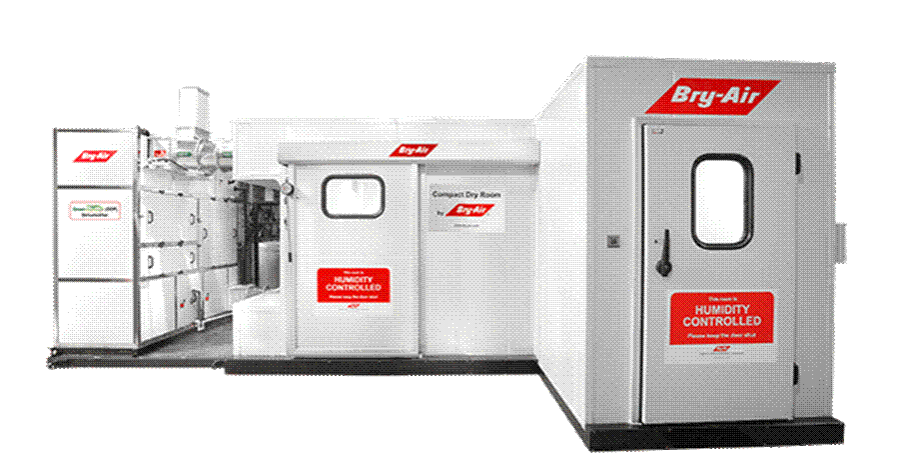
Lithium battery manufacturing requires highly controlled environmental conditions to ensure product quality, operational stability, and manufacturing precision. One of the most important factors in battery production is humidity control. Even small amounts of moisture can negatively affect battery components, reduce performance, and increase production risks. As global demand for lithium batteries continues growing, advanced dry room technologies have become essential for maintaining reliable manufacturing environments.
Modern battery dry room systems help manufacturers maintain ultra low humidity conditions during battery production processes. These solutions improve product consistency, support safe manufacturing operations, and enhance long term production efficiency across lithium battery facilities.
Why Humidity Control Is Important in Lithium Battery Manufacturing
Lithium battery materials are highly sensitive to moisture exposure during production and storage. Uncontrolled humidity can create serious operational and quality related issues.
Problems Caused by Excess Moisture
Moisture contamination may lead to:
- Chemical instability
- Reduced battery performance
- Material degradation
- Product defects
- Increased manufacturing risks
Controlled dry environments help prevent these challenges.
Importance of Stable Production Conditions
Battery manufacturers require precise climate control to maintain:
- Product reliability
- Material quality
- Production consistency
- Safe operating conditions
Low humidity environments are essential for advanced battery manufacturing.
See also: Buz Business: The Ultimate Guide to Startups, Tech & Hidden Travel in India
What Is a Battery Dry Room?
A battery dry room is a specialized controlled environment designed to maintain extremely low humidity levels for lithium battery production processes.
These systems generally include:
- Industrial dehumidification technologies
- Controlled airflow systems
- Air filtration units
- Temperature and humidity monitoring
Dry room systems help create stable production environments for moisture sensitive battery materials.
How Battery Dry Rooms Work
The process typically involves:
- Removing moisture from incoming air
- Maintaining ultra low dew point levels
- Circulating dry air continuously
- Monitoring environmental conditions in real time
Advanced systems ensure consistent humidity control throughout manufacturing operations.
Benefits of Battery Dry Room Solutions
Modern dry room technologies provide several important advantages for battery manufacturers.
Improved Product Quality
Low humidity environments help protect lithium battery materials during production.
Benefits may include:
- Better product consistency
- Reduced contamination risks
- Improved battery performance
- Enhanced manufacturing precision
Controlled conditions improve overall production quality.
Better Operational Efficiency
Reliable environmental management systems help manufacturers maintain stable operations.
Efficient systems may support:
- Reduced production interruptions
- Lower rejection rates
- Improved workflow consistency
- Better process control
Stable environmental conditions improve manufacturing efficiency.
Enhanced Safety and Reliability
Certain battery materials may react negatively when exposed to moisture.
Dry room systems help:
- Reduce operational risks
- Improve material handling safety
- Maintain production stability
Proper humidity management supports safer manufacturing operations.
Role of Dry Rooms in Lithium Battery Production
Dry rooms are critical for multiple stages of battery manufacturing.
Electrode Production
Electrode materials require low humidity conditions during:
- Mixing
- Coating
- Drying
- Storage
Moisture control helps maintain material stability.
Cell Assembly Operations
Battery cell assembly processes require controlled environments to prevent contamination and improve product reliability.
Modern dry room solutions support:
- Consistent assembly conditions
- Reduced moisture exposure
- Improved production accuracy
Controlled environments improve battery manufacturing quality.
Material Storage Areas
Sensitive raw materials and battery components often require:
- Low humidity storage
- Stable environmental conditions
- Continuous moisture management
Proper storage conditions protect product quality.
Importance of Dew Point Control in Battery Dry Rooms
Dew point management is one of the most important aspects of dry room operation.
What Is Dew Point?
Dew point refers to the temperature at which moisture condenses from the air.
Ultra low dew point conditions help:
- Minimize airborne moisture
- Protect sensitive battery materials
- Improve environmental stability
Battery manufacturing facilities often require extremely low dew point levels.
Benefits of Low Dew Point Conditions
Precise dew point control helps:
- Improve production consistency
- Reduce contamination risks
- Support stable manufacturing conditions
Advanced systems maintain continuous environmental reliability.
Technologies Used in Battery Dry Rooms
Modern battery dry rooms use advanced humidity control technologies for precise environmental management.
Desiccant Dehumidification Systems
Desiccant systems help:
- Remove moisture efficiently
- Maintain ultra low humidity
- Support continuous industrial operation
These technologies are widely used in lithium battery facilities.
Air Filtration and Ventilation Systems
Advanced dry rooms also include:
- Controlled air circulation
- High efficiency filtration
- Temperature management systems
Integrated climate control improves operational performance.
Factors to Consider When Choosing Battery Dry Room Solutions
Selecting the right dry room system depends on operational requirements and production goals.
Humidity Control Requirements
Manufacturers should evaluate:
- Required humidity levels
- Dew point targets
- Production sensitivity
Accurate system design improves operational reliability.
Facility Size and Production Capacity
Businesses should consider:
- Manufacturing scale
- Facility dimensions
- Expansion requirements
Proper system sizing supports efficient operations.
Energy Efficiency
Modern systems should support:
- Reduced energy consumption
- Optimized airflow management
- Sustainable operation
Energy efficient systems help lower operational costs.
Common Mistakes Businesses Should Avoid
Poor humidity management strategies may reduce production quality and operational performance.
Ignoring Environmental Monitoring
Without accurate monitoring, facilities may experience unstable humidity conditions.
Monitoring systems help:
- Maintain precise environmental control
- Improve process consistency
- Prevent contamination issues
Continuous monitoring improves operational reliability.
Weak Airflow Management
Poor air circulation may create uneven humidity levels across production areas.
Businesses should ensure:
- Balanced airflow distribution
- Proper ventilation design
- Stable environmental conditions
Efficient airflow improves dry room performance.
Delaying System Maintenance
Poor maintenance may reduce:
- Moisture removal efficiency
- Air filtration performance
- Overall system reliability
Routine servicing supports long term operational stability.
Why Battery Dry Room Solutions Continue Growing
The rapid expansion of electric vehicles, energy storage systems, and advanced electronics continues increasing demand for lithium battery manufacturing technologies.
Battery dry room solutions continue growing because they support:
- Better humidity control
- Improved product quality
- Stable manufacturing environments
- Enhanced operational safety
- Reliable moisture management
Organizations searching for advanced lithium battery dry rooms increasingly invest in modern environmental control technologies to improve production efficiency and long term manufacturing reliability.
Conclusion
Battery dry room solutions provide lithium battery manufacturers with an effective way to maintain ultra low humidity environments and protect moisture sensitive production processes. Proper climate control helps improve product quality, support operational efficiency, and maintain stable manufacturing conditions.
Advanced dehumidification systems, airflow management technologies, and environmental monitoring solutions all contribute to better battery manufacturing performance. By investing in reliable battery dry room technologies, businesses can improve operational reliability, reduce contamination risks, and support long term industrial growth.
