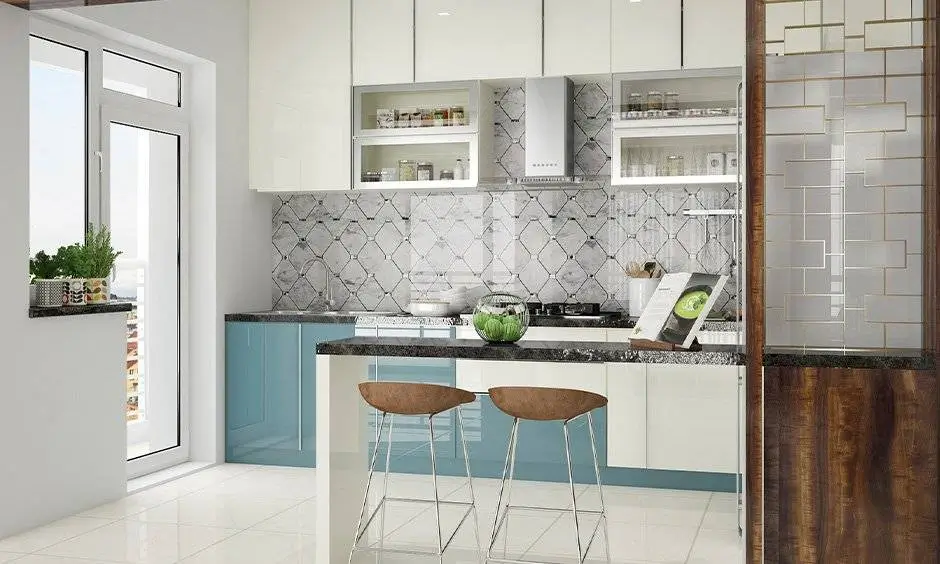
Technology has slowly worked its way into nearly every corner of the home, and the kitchen is no exception. A well-designed smart kitchen setup can genuinely transform how efficiently a household cooks, stores food, and manages daily routines, moving well beyond the novelty gadgets that first come to mind.
What Actually Makes a Kitchen Smart
Rather than a single device, a genuinely smart kitchen is built around interconnected systems, appliances that communicate with each other, respond to voice or app commands, and often learn from usage patterns over time to improve efficiency. This might include ovens that adjust cooking times automatically, refrigerators that track inventory, or lighting and ventilation systems that respond intelligently to activity in the space.
The goal is not simply automation for its own sake, but a kitchen that actively reduces friction in daily cooking and cleaning routines, giving households more time back rather than more screens to manage.
Practical Benefits Beyond the Novelty Factor
Reduced Food Waste
Smart refrigeration and inventory tracking systems can help households keep better track of what they actually have on hand, reducing the amount of food that goes unused and eventually wasted, which has both financial and environmental benefits over time.
Energy Efficiency
Many smart appliances are designed with energy efficiency in mind, adjusting power usage based on actual need rather than running at a fixed setting regardless of the task, which can meaningfully reduce household energy consumption over the long run.
Designing a Layout That Supports Smart Technology
Integrating smart features effectively often requires thoughtful planning from the design stage, rather than simply adding devices to an existing layout. Working with specialists in smart kitchen design can help households plan a layout that genuinely supports connected appliances and efficient workflows, rather than treating technology as an afterthought.
See also: What to Consider Before Moving Into a New Home
Common Concerns Worth Addressing
Privacy and data security are understandably common concerns when it comes to connected home devices. Choosing reputable manufacturers with clear data policies, and keeping device software updated, are both important steps in managing these risks responsibly while still enjoying the convenience these systems offer.
Cost is another consideration worth planning for. While smart kitchen upgrades can represent a significant upfront investment, many households find that the long-term efficiency gains, combined with the added convenience, justify the cost over time, particularly during a full renovation when much of the underlying work is already being done.
Frequently Asked Questions
Do smart kitchen upgrades require a full renovation?
Not necessarily. Many smart appliances and devices can be integrated incrementally into an existing kitchen without requiring a complete overhaul, though a full renovation does allow for more seamless integration.
Are smart kitchens more expensive to maintain long-term?
While some smart appliances may carry higher repair costs due to their added technology, energy savings and reduced food waste often help offset these costs over time.
Can smart kitchen systems work with existing appliances?
Many smart systems are designed to integrate with a mix of new and existing appliances, though full functionality is generally best achieved with appliances specifically designed for smart connectivity.
Final Thoughts
As connected home technology continues to mature, a thoughtfully designed smart kitchen offers genuine, practical benefits that go well beyond convenience for its own sake, making everyday cooking and household management noticeably more efficient.
