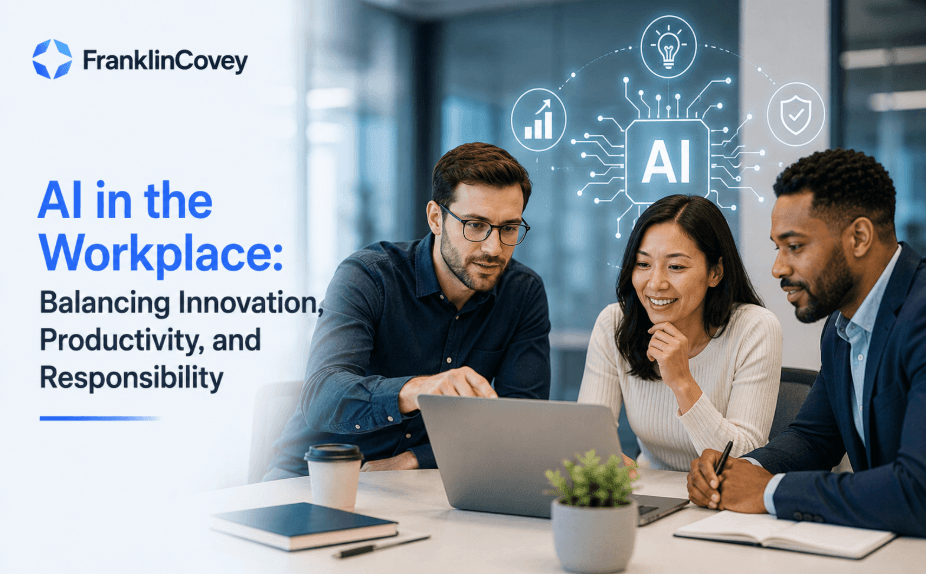
From business to businesses, they are learning new possibilities with the introduction of automation and how it reduces repetitive tasks and work more efficiently as well help in decision making. The use of AI in the workplace has now become one of the key tools that some organizations are using to maximize productivity and also allow employees to be able focus their work on other delivery with greater value.
Artificial intelligence is going to change how businesses do what they do: from customer service to data analytics. When used properly, it improves workflows without taking away the importance of human skills.
How AI Supports Everyday Work?
A wide range of businesses have already begun to implement AI business process automation in the workplace leveraging the technology for assistance with automating repetitive processes. It enables employees to focus their time on creative thinking, problem-solving, and relationships with customers.
Common uses of AI include:
- Automating repetitive administrative tasks
- Extensive analysis of enormous business data
- Leveraging virtual assistants to improve customer service
- Assisting with scheduling and planning
- Enhancing document management
These applications make the organization quicker and identify correctness as a whole.
The Importance of Human Oversight
AI can do plenty of things, but it should never replace human judgement. There are aspects that require employees to be able to make decisions, build relationships, and interact with things where judgement or experience plays a role.
Successful organizations pair technology with talented people. This balance allows businesses to automate, while also being responsible and timeout.
Building Trust Through Responsible AI
As more and more companies incorporate AI into workplaces, it is simply about responsible implementation! When deploying AI-powered systems, businesses should establish straightforward policies around data privacy, transparency, and employee training.
We also see that most of the groups are looking beyond DQ assessment and have started looking at the ethical impact of AI in the workplace planning for use of technology in an effective manner. You can also address issues such as bias, privacy, and algorithmic transparency to not only help your workforce build confidence in the technology but seek the adoption of it that ensures responsible business processes.
Preparing Employees for the Future
Technology keeps evolving, and so is the need for continuous learning. Training should give employees the knowledge of what AI tools are and how they might assist in daily tasks.
Those employees who feel supported during technology changes are more open to innovation and able to leverage AI. Of course, there is the additional consideration that investing in education also allows businesses to keep up with advancing technology within the workplace itself.
See also: Buz Business: The Ultimate Guide to Startups, Tech & Hidden Travel in India
Benefits of AI for Organizations
When done right, workplace AI has long-lasting benefits for companies and employees alike.
Some key benefits include:
- Greater productivity
- Faster decision-making
- Improved operational efficiency
- Better customer experiences
- More time for strategic work
The workforce of the future is a strange amalgamation − highly skilled individuals powered by AI.
Final Thoughts
The use of AI in the workplace is transforming business landscapes by making organizations run smarter, faster, and more efficiently by removing redundant work responsibilities. But the long game will be played through responsible and considerate use of AI, with people at the heart of every business process.
By learning the ethical implications of using Artificial Intelligence at work, organizations will develop trust and cooperation, thereby fostering innovation while establishing an equilibrium in that technology complements human expertise for sustainable growth opportunities.
