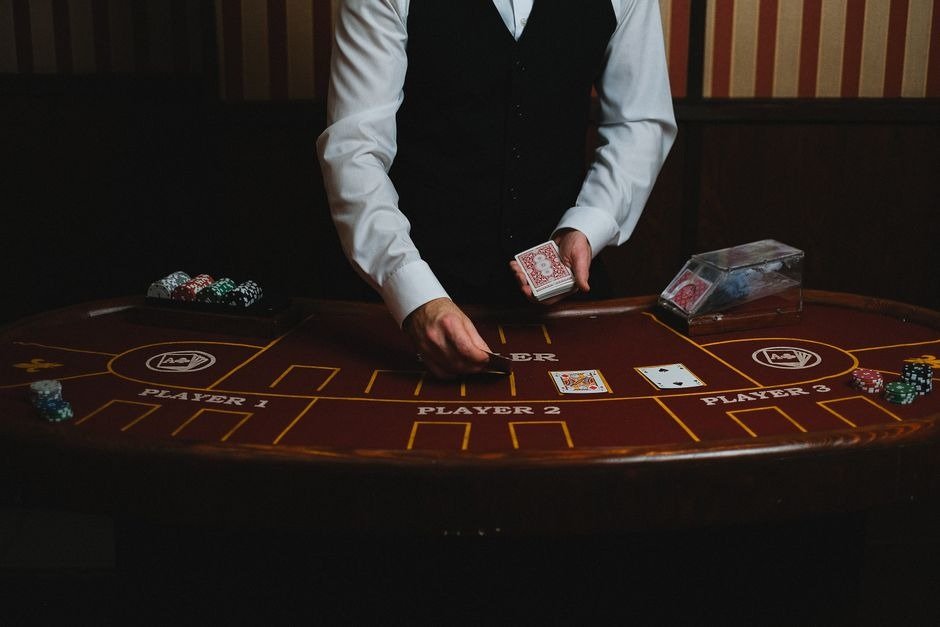
Live dealer blackjack tables frequently offer optional side bets alongside the standard hand, wagers like Perfect Pairs or 21+3 that pay based on specific card combinations independent of the main hand’s eventual win or loss outcome, additional betting options that carry their own distinct odds and house edge considerably different from the main blackjack hand’s own well-established basic strategy mathematics.
This piece covers how common side bet types like Perfect Pairs and 21+3 actually work, why these side bets typically carry a considerably higher house edge than well-played standard blackjack, and how their availability affects overall table strategy decisions.
How Perfect Pairs and 21+3 Side Bets Actually Work
Perfect Pairs specifically pays based on whether a player’s first two cards form a pair, with different payout tiers for a mixed-suit pair, same-color pair, or identical-suit perfect pair, each carrying progressively higher payout odds reflecting their correspondingly lower probability of occurring. The 21+3 side bet combines a player’s two cards with the dealer’s single visible upcard to form a three-card poker-style hand, paying based on whether this three-card combination forms a flush, straight, three of a kind, or straight flush, entirely independent of how the actual blackjack hand itself subsequently plays out. A detailed breakdown of the exact payout tables and probability calculations for each of these common side bet variants is available if you want to read more, covering the specific mathematics behind why each payout tier gets set at its particular multiplier level.
Why These Side Bets Typically Carry Considerably Higher House Edge
Standard blackjack, played with correct basic strategy, offers one of the lowest house edges available among common casino games, often below one percent, while side bets like Perfect Pairs and 21+3 typically carry a considerably higher house edge, frequently in the range of five to ten percent depending on the specific paytable a given table uses, reflecting that these side bets essentially function as a separate, simpler proposition bet layered alongside the genuinely skill-influenced main blackjack hand, without the same opportunity for strategic play to meaningfully reduce the house’s mathematical advantage the way correct basic strategy does for the primary hand itself.
How Side Bet Availability Affects Overall Table Strategy Decisions
Since side bets operate entirely independently from the main hand’s strategic decisions, correct blackjack basic strategy for the primary hand remains completely unaffected by whether a player also places any available side bets, meaning a player’s optimal hit, stand, double, or split decisions for their actual blackjack hand should be determined purely by the standard basic strategy chart regardless of whether they’ve also placed a Perfect Pairs or 21+3 wager on that same specific hand.
Why Understanding This Distinction Matters for Overall Session Value
Players specifically interested in minimizing overall house edge across their total session wagering should recognize that side bets, however entertaining their additional payout possibilities might be, meaningfully worsen their overall average house edge exposure compared to playing standard blackjack with correct strategy alone, meaning a player prioritizing pure mathematical value over the additional entertainment variety side bets provide would generally do better sticking purely to the main hand and skipping these considerably higher-edge additional wagers entirely.
Frequently Asked Questions
How does the Perfect Pairs side bet actually determine its payout?
It pays based on whether a player’s first two cards form a pair, with progressively higher payouts for mixed-suit, same-color, and identical-suit perfect pairs reflecting their decreasing probability of occurring.
What does the 21+3 side bet actually evaluate?
It combines a player’s two cards with the dealer’s visible upcard into a three-card poker-style hand, paying based on whether this combination forms a flush, straight, three of a kind, or straight flush.
Why do blackjack side bets typically carry a higher house edge than the main hand?
Side bets function as simpler proposition bets without the same opportunity for strategic play to reduce house edge the way correct basic strategy does for the primary blackjack hand itself.
Does placing a side bet affect the correct strategy for the main blackjack hand?
No, side bets operate entirely independently, meaning optimal hit, stand, double, or split decisions for the main hand should follow standard basic strategy regardless of any side bets also placed.
Conclusion
Live blackjack side bets like Perfect Pairs and 21+3 offer additional entertainment variety but carry a considerably higher house edge than well-played standard blackjack, operating entirely independently from the main hand’s own strategic decisions. Understanding this distinction clarifies that players prioritizing pure mathematical value over additional payout variety would generally minimize their overall house edge exposure by skipping these higher-edge side wagers entirely.
