Introduction
Choosing the right warehouse pallet rack system is an important step in creating a safe, organized, and productive warehouse. A good rack system helps businesses store more products, use floor space wisely, and make daily warehouse work easier. However, every warehouse has different needs. Product size, pallet weight, storage height, available floor space, equipment, and order speed all affect the best choice. Before buying racks, warehouse managers should study how goods enter, move through, and leave the facility. They should also think about future growth instead of choosing a system based only on current needs. The goal is to find a storage solution that gives enough capacity without making access difficult. Modern high density racking solutions can be useful when space is limited, while standard pallet racks may work better when quick access is the main goal. Careful planning can prevent costly changes later and improve warehouse efficiency.
Understand Your Warehouse Storage Needs
The first step in choosing a rack system is to understand exactly what the warehouse needs to store. Start by listing the types of products, pallet sizes, pallet weights, and the number of pallets that must be stored. Products that are heavy or unusually large may require stronger frames and beams. You should also consider how often each product is picked. Fast-moving products usually need easy access, while slow-moving goods can often be placed in deeper or higher storage areas. Measuring the warehouse is also important. Record the floor area, ceiling height, columns, doors, fire equipment, and other fixed structures. Leave enough space for workers and material-handling equipment to move safely. A detailed storage review helps you avoid buying racks that do not fit your building or workflow. It also makes it easier to compare different high density racking options based on real business needs rather than appearance or price alone.
See also: The Future of Gaming Technology
Choose the Right Rack Type
There are several pallet rack designs, and each one serves a different purpose. Selective pallet racking is widely used because it gives direct access to individual pallets and is easy to organize. Drive-in racking allows forklifts to enter storage lanes, making it useful for businesses that store large quantities of similar products. Push-back racks provide multiple pallet positions in depth while allowing products to move forward for easier access. Pallet flow systems use gravity to move pallets through lanes and can support efficient stock rotation. The best option depends on how much access you need and how much storage density you want. A high density pallet racking setup can provide more storage capacity by reducing unused aisle and floor space. However, higher density can sometimes reduce direct access to individual pallets. For this reason, businesses should balance storage capacity, product movement, and picking speed before selecting a rack design.
Consider Storage Density and Available Space
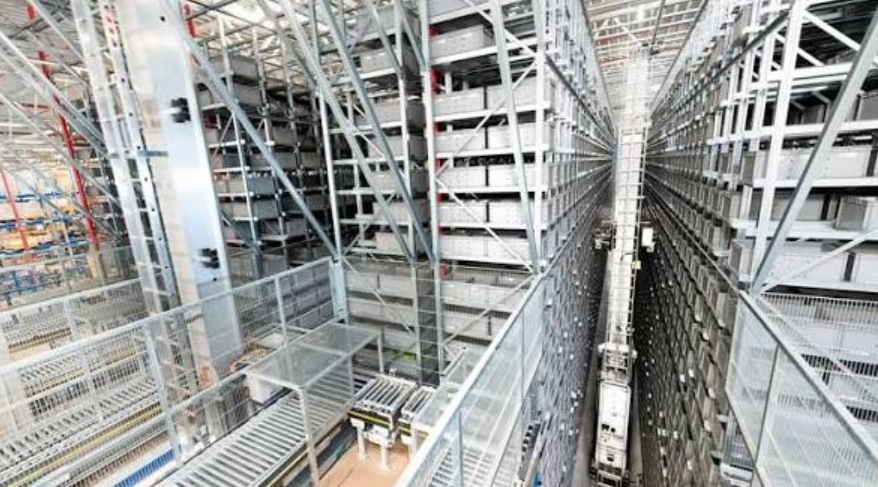
Warehouse space is expensive, so making good use of every square foot is a major goal. A well-planned high density racking system can increase pallet capacity without requiring a larger building. These systems often use deeper storage lanes, taller rack structures, or narrower aisles to make better use of available space. However, density should not be the only consideration. If aisles become too narrow or products are difficult to reach, workers may take longer to complete tasks. Forklift requirements also need to be considered because different trucks require different turning and operating spaces. Ceiling height can provide another opportunity for vertical storage, but rack height must match building conditions and safety requirements. When comparing high density racking solutions, calculate how many pallets each option can hold and how easily workers can access them. The best solution is one that increases useful capacity while keeping warehouse operations safe and practical.
Check Pallet and Load Requirements
Safety should always be a key part of pallet rack selection. Before purchasing a system, determine the maximum weight of each pallet and the total load that each rack level will carry. Rack frames, beams, connectors, and other components must be suitable for the expected loads. Pallet dimensions also matter because the rack needs enough width and depth to support the load correctly. Uneven or damaged pallets may require additional planning because they can affect stability during storage and handling. Businesses should also consider whether pallet sizes will change in the future. Choosing equipment with a suitable load capacity can provide greater flexibility as inventory grows. A professional rack supplier can help calculate the required specifications based on pallet weight, dimensions, rack height, and storage levels. Never select a system based only on its appearance or advertised capacity. Proper load planning helps create a reliable warehouse pallet rack system that supports daily operations while reducing the risk of equipment damage and unsafe storage.
Plan for Forklifts and Warehouse Movement
A rack system must work well with the equipment used inside the warehouse. Forklifts, pallet jacks, reach trucks, and other handling equipment all require specific operating space. Before installing racks, measure the turning radius and working clearance of the equipment. A rack layout that looks efficient on paper may cause delays if forklifts cannot move smoothly between aisles. Traffic flow is another important factor. Try to create clear routes for receiving, storage, picking, and shipping activities. Frequently handled products should generally be placed where workers and equipment can reach them easily. Less frequently moved goods can be stored in areas with lower accessibility. High density racking may reduce aisle space, but the layout must still provide enough room for safe equipment operation. Good planning can reduce unnecessary travel, lower handling time, and improve productivity. The right rack system should support the entire warehouse workflow instead of focusing only on maximum pallet capacity.
Compare Cost, Quality, and Future Growth
Price is important, but it should not be the only factor when selecting warehouse racks. A cheaper system may cost more over time if it needs frequent repairs, limits future expansion, or does not support efficient warehouse operations. Compare the quality of materials, load capacity, installation requirements, maintenance needs, and expected service life. It is also useful to consider how the warehouse may change over the next few years. If inventory is expected to increase, choose a system that can be expanded without rebuilding the entire layout. Modular high density racking solutions may provide useful flexibility for growing businesses. Ask suppliers about replacement components, installation support, inspections, and technical assistance. A complete cost comparison should include the racks, installation, handling equipment needs, floor preparation, safety features, and future changes. Spending more at the planning stage can sometimes prevent major costs later. The ideal high density racking system should provide strong value over its full working life, not simply the lowest purchase price.
Conclusion
Selecting the right warehouse pallet rack system requires careful planning and a clear understanding of warehouse operations. Start by reviewing your products, pallet sizes, load weights, storage volume, and available building space. Then compare rack types based on access requirements, storage density, stock movement, and equipment needs. High density pallet racking can be an excellent choice for businesses that need greater capacity in a limited area, but it should be designed around safe access and efficient workflow. Load capacity, forklift movement, rack quality, and future expansion should also be considered before making a final decision. A well-designed rack system can improve organization, reduce wasted space, and support faster warehouse operations. Instead of choosing racks based only on price or storage capacity, look at the complete picture. The best high density racking solution is one that combines capacity, safety, accessibility, durability, and long-term value for your specific warehouse.
