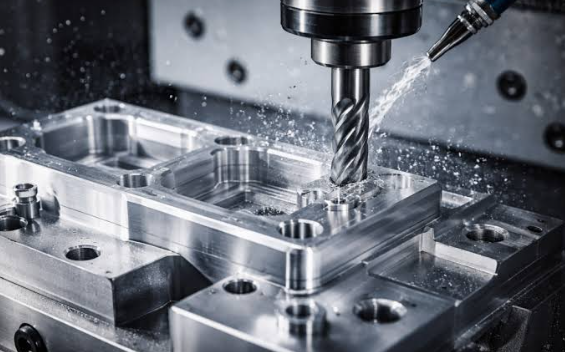
Aluminum ranks among the most commonly machined materials given its favorable machinability, but achieving genuinely optimal results still requires material-specific process knowledge. This guide covers what distinguishes quality aluminum milling work.
Why Aluminum Is Popular for Milled Components
Aluminum’s combination of good machinability, favorable strength-to-weight ratio, and natural corrosion resistance makes it a practical default choice across countless industries, from aerospace to consumer products to industrial equipment.
See also: Stripe vs Razorpay vs Adyen: Choosing the Right Payment Gateway for Your Platform
Material-Specific Milling Considerations
Alloy Selection Affects Machining Approach
Different aluminum alloys, from easily machined 6061 to more challenging 7075, require different cutting parameters and tooling approaches, making alloy-specific process knowledge genuinely valuable.
Managing Heat and Tool Buildup
While generally more machinable than many metals, aluminum can still generate built-up edge on cutting tools if speeds, feeds, and coolant application aren’t properly managed, affecting surface finish quality.
Surface Finish Achievability
Aluminum’s machining characteristics generally support excellent surface finish when properly optimized, making it a good material choice for parts with aesthetic or functional surface finish requirements.
Common Applications for Milled Aluminum Parts
Enclosures, brackets, heat sinks, and structural components across electronics, aerospace, and industrial equipment frequently specify aluminum given its combination of machinability and favorable material properties.
For a closer look at available aluminum milling capabilities, aluminum cnc milling service offers additional technical detail worth reviewing.
Evaluating Aluminum-Specific Process Optimization
Asking a shop specifically about their approach to different aluminum alloys, rather than assuming general milling capability translates uniformly across all aluminum grades, helps confirm genuine material-specific expertise.
Frequently Asked Questions
Is aluminum genuinely easier to machine than most other metals? Generally yes, aluminum’s machinability is favorable compared to many metals, though achieving optimal results for specific alloys and finish requirements still benefits from genuine process expertise.
Why do different aluminum alloys require different machining approaches? Alloys like 6061 and 7075 have different hardness and machining characteristics, requiring adjusted cutting parameters and sometimes different tooling to achieve optimal results for each.
What applications most commonly specify machined aluminum components? Enclosures, brackets, heat sinks, and structural parts across electronics, aerospace, and industrial equipment frequently rely on aluminum given its favorable combination of properties.
Final Thoughts
Aluminum CNC milling benefits significantly from genuine, alloy-specific process expertise despite the material’s generally favorable machinability. Understanding these considerations helps buyers evaluate shops capable of delivering genuinely optimized aluminum components.
