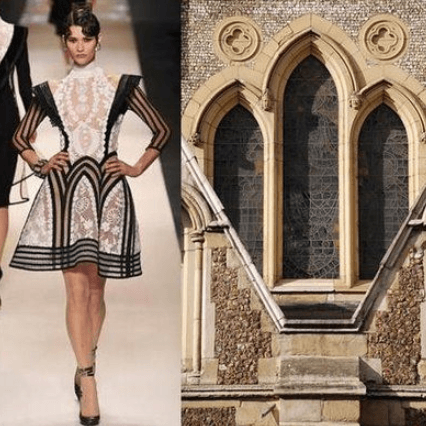

Architectural concepts inform fashion by translating spatial logic into garment form. Materials and structures become load paths, dictating where tension and compression reside. The design asserts negative space and controlled drape, yielding modular, possibly reversible silhouettes. Function aligns with discipline: wearability remains essential even when expression thickens through tectonic lines. The result is a disciplined translation that challenges standard notions of silhouette, inviting closer scrutiny of how architecture shapes movement and perception. Tools for further inquiry surface here.
What Architectural Thinking Brings to Fashion
Architectural thinking contributes a framework of structure, proportion, and function to fashion, enabling designers to translate spatial concepts into wearable form. This approach foregrounds conceptual ergonomics, aligning silhouette with user movement and anticipatory comfort. It emphasizes tectonic aesthetics, where visible construction logic informs ornament and restraint. The result is disciplined versatility, enabling expressive, yet durable garments that respect both form and freedom of use.
Materials, Structures, and the Case for Load-Bearing Garments
Materials, structures, and the case for load-bearing garments demand a precise examination of how tensile and compressive forces interact with fabric and form.
From material science perspectives, performance hinges on fiber selection, weave architecture, and tension distribution.
Structural engineering principles guide silhouette integrity, load paths, and fail-safe design, ensuring aesthetics align with safety without compromising freedom in expression or movement.
Spatial Play: Negative Space, Draping, and Modularity
Spatial play emerges at the intersection of negative space, draping, and modularity, where form is defined as much by absence as by presence. The approach analyzes how intentional voids guide silhouette, while fluid draping reinterprets structure. Modularity enables recombination, testing scale and proportion. Negative space constrains or liberates movement, situating spatial play as a disciplined balance between restraint and freedom.
From Runway to Wardrobe: Translating Architecture Into Everyday Wear
The process of translating architectural form into daily apparel hinges on disciplined translation: silhouettes, materials, and construction techniques chosen for wearability, durability, and ease of movement.
From runway to wardrobe, designers scrutinize function alongside form, converting bold silhouettes and sculptural seams into practical ensembles.
The result balances spatial rhetoric with everyday pragmatism, enabling expressive restraint and durable versatility in contemporary sartorial practice.
Frequently Asked Questions
How Does Fashion Inform Architectural Aesthetics in Daily Wear?
Fashion informs architectural aesthetics in daily wear through deliberate structure and silhouette. It demonstrates how fashion silhouettes influence space usage, while material textures express light, gravity, and tactility, guiding evaluative choices toward functional, expressive freedom in urban life.
Can Architectural Failures Inspire Daring Apparel Innovations?
Architectural failures can catalyze daring apparel innovations, influencing daily wear aesthetics while testing ergonomics in sculptural garments; practitioners must balance sustainable practices with cultural contexts in fashion narratives, evaluating risk, function, and expressive freedom within design dialogue.
What Role Do Ergonomics Play in Sculptural Garments?
Ergonomics shape sculptural garments by aligning form with movement, ensuring comfort and usability. The analysis notes ergonomic comfort and sculptural balance as core criteria, evaluating trade-offs between aesthetic daring and wearer efficiency, while preserving freedom in expression.
See also: The Future of IoT Technology
Do Sustainable Practices Limit Architectural Fashion Experimentation?
Sustainable practices constrain but do not invalidate architectural fashion experiments; they redirect exploration toward efficiency. Sustainable sourcing and circular design guide materials and lifecycle thinking, enabling rigorous evaluation while preserving the freedom to innovate within ethical, resource-conscious boundaries.
How Do Cultural Contexts Shape Architectural Fashion Narratives?
Cultures deliberately scaffold architectural fashion narratives; cultural symbolism informs silhouettes, materials, and rituals, while spatial narratives choreograph runway movement. Satirical distance reveals how contexts condition meaning, shaping design discourse with evaluative precision, guiding a freedom-seeking audience through layered interpretations.
Conclusion
In sum, architectural thinking furnishes fashion with disciplined rigor: it interrogates form, function, and load, yielding garments that balance tensile nuance with compressive restraint. Materials and structural intent govern silhouette, while negative space and modularity enable adaptable expression. The trajectory from runway to wardrobe hinges on translating tectonics into wearable practicality without losing conceptual integrity. As the adage goes, a bridge is only as strong as its joints—so too, a garment thrives on thoughtful intersections.