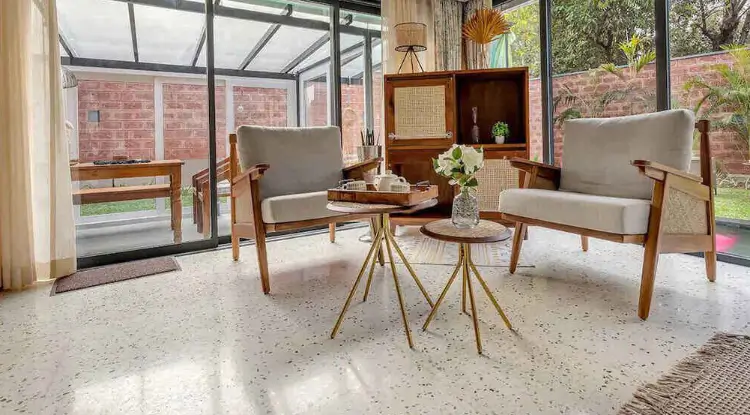
Retail store owners and designers face a practical dilemma when selecting flooring for locations that experience constant foot traffic. Imagine a busy apparel store where hundreds of customers cross the threshold daily, shopping carts roll over surfaces, and constant rearrangement of displays is the norm. In these conditions, the choice between epoxy and cement Terrazzo Mosaic Tile becomes more than an aesthetic decision—it’s about how well the floor will hold up, maintain its appearance, and justify the investment over years of use. For those responsible for these environments, understanding which material best withstands the daily stresses of high-traffic retail is critical to ensuring both function and style are preserved.
Core Compositional Differences Impacting Retail Durability
The foundation of any terrazzo tile is its binder, which directly influences how the surface reacts to pressure, impact, and wear in retail spaces. Epoxy-based terrazzo tiles use a synthetic resin binder, resulting in a thinner, lighter profile and a seamless finish. This resin allows for a greater variety of colors and a non-porous surface, meaning spills and stains are less likely to penetrate. In contrast, cement terrazzo tiles are made with a traditional cement binder, producing a thicker, heavier tile with a more classic, matte appearance.
One concrete case is the installation thickness: epoxy tiles are typically poured at 1/4 inch, while cement versions often reach 1/2 inch or more. This difference impacts not just the look, but how each option handles the inevitable impacts from heavy carts or dropped merchandise in a retail store. The denser cement structure can resist cracking from heavy point loads, but may be more susceptible to surface staining and moisture issues if not properly sealed.
Understanding material composition of terrazzo flooring helps clarify why these two options behave differently under retail conditions. The binder material, aggregate size, and installation methods all contribute to performance when exposed to daily abuse in busy commercial settings.
Comparative Analysis of Heavy Foot Traffic Resilience
Retail flooring must endure thousands of footsteps, impacts from stockroom deliveries, and frequent cleaning cycles. In practical terms, epoxy terrazzo tiles excel in resisting abrasion and maintaining a polished appearance, even in the most frequently traversed store aisles. Their resin binder forms a flexible, high-strength matrix that absorbs shocks and prevents surface wear. This is especially apparent in high-end department stores where appearance and longevity are equally prioritized.
Cement terrazzo, with its rigid and more porous structure, can develop surface wear patterns over time in concentrated traffic zones. It is more prone to microcracking and chipping at edges, particularly in locations where heavy objects are dragged rather than lifted. However, its mass and density grant it a solid feel underfoot, which remains valued in traditional retail environments prioritizing a classic look.
Comparing abrasion resistance in flooring materials provides further insight into why epoxy-based surfaces often maintain their integrity longer in high-traffic retail applications. This performance advantage translates into longer intervals between necessary repairs or surface refinishing, a key concern for busy retailers.
Maintenance Demands and Longevity in Commercial Spaces
Maintenance frequency and long-term durability are major concerns for any retail operation. Epoxy terrazzo requires straightforward cleaning—dirt and spills sit on the non-porous surface, allowing for quick removal without leaving stains. Regular mopping and periodic buffing are sufficient to retain its luster, and minor scratches can often be polished out without visible trace. This simplicity in upkeep is a significant advantage for stores with limited downtime for deep cleaning or repairs.
Cement terrazzo tiles, however, demand more vigilant care. Their porous nature means they must be sealed regularly to prevent staining from customer spills and moisture ingress. Heavy cleaning equipment or harsh chemical cleaners can also erode the surface finish over time, necessitating professional restoration or recoating more frequently than their epoxy counterparts.
Retailers choosing Terrazzo Mosaic Tile for high-traffic areas often weigh these practical differences. This product type’s ease of maintenance and stain resistance are key factors influencing the decision between epoxy and cement versions, especially in fast-paced retail settings where floor appearance directly affects customer perception.
Making the Optimal Flooring Selection for Retail Environments
The decision between epoxy vs cement Terrazzo Mosaic Tile hinges on the unique requirements of the retail space. For example, a tech store with a modern brand identity might favor the sleek, bright finishes achievable with epoxy terrazzo, which supports vibrant color schemes and intricate patterns. These resin-based tiles can be installed more quickly and are compatible with underfloor heating—features that align with contemporary retail design trends.
By contrast, a heritage bookstore or boutique with a historic theme may prefer the tactile authenticity and weight of cement-based terrazzo. The natural, muted tones and matte finish of traditional cement tiles can complement vintage interiors, but the flooring will require a higher level of care and periodic sealing. The trade-off is a timeless look that fits certain brand narratives, even if maintenance intervals are shorter.
When evaluating epoxy vs cement Terrazzo Mosaic Tile, project managers must also account for installation logistics, downtime, and long-term maintenance budgets. In large-scale rollouts or renovations, the choice often comes down to balancing design vision with practical demands for durability and ease of upkeep.
Conclusion
For those overseeing retail flooring projects, start by mapping the store’s traffic patterns and maintenance resources. In locations where maximum stain resistance and minimal upkeep are priorities, epoxy terrazzo is typically the more resilient choice. For spaces where design heritage and a tactile finish matter more than low maintenance, cement terrazzo remains a valid contender—provided regular sealing and care are part of the plan.
