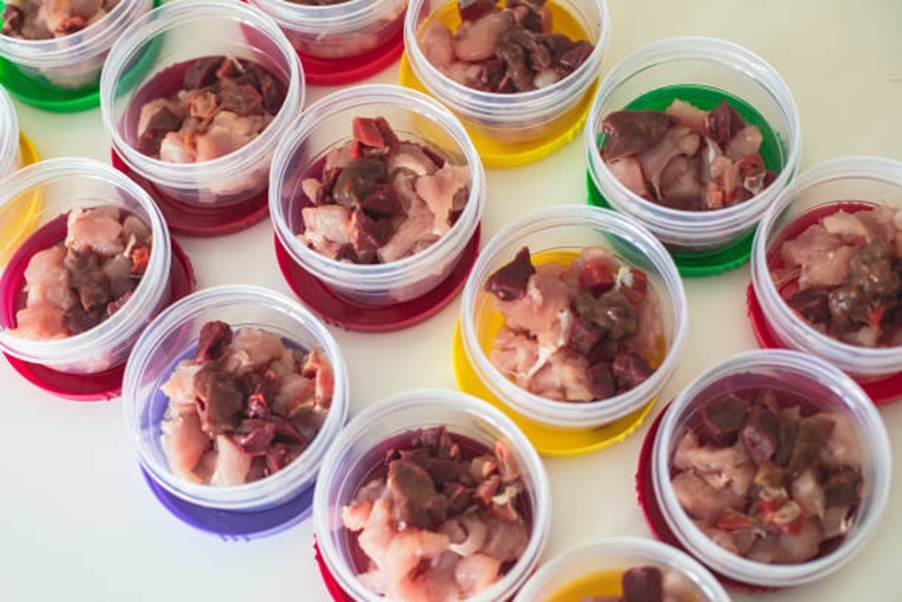
Turkey liver is one of those ingredients that sits at an interesting intersection between highly nutritious and potentially risky when misused. For cats, which are obligate carnivores, organ meats like liver are biologically appropriate—but that does not mean they can be fed freely or in large amounts.
In fact, the biggest mistake pet owners make is assuming that “natural” automatically means “safe in any quantity.” Turkey liver is extremely nutrient-dense, and while it can support feline health in small controlled doses, overfeeding can create serious long-term problems.
This expanded guide explains everything in detail—from portion sizes and feeding frequency to vet concerns and practical feeding methods.
Why Turkey Liver Matters in a Cat’s Diet
Cats require animal-based nutrients to survive and thrive. Unlike omnivores, they cannot efficiently synthesize certain essential compounds from plant sources. Turkey liver for cats fits naturally into their dietary needs because it provides concentrated animal nutrients.
Turkey liver is rich in:
- High-quality animal protein
- Vitamin A (retinol)
- Vitamin B12 and other B vitamins
- Iron and copper
- Folate and zinc
These nutrients contribute to several core functions in a cat’s body, including oxygen transport, immune support, neurological function, and skin regeneration.
In the wild, cats consume small prey animals, including organs like liver. However, the key difference is balance—wild cats eat small, varied amounts of different organs and muscle meat, not large servings of a single nutrient-dense food.
This is why moderation is essential when feeding turkey liver to domestic cats.
See also: Why IVF Clinics in Faridabad Are Becoming the First Choice for Couples in NCR
Nutritional Benefits of Turkey Liver for Cats
When included correctly in a balanced diet, turkey liver offers multiple benefits:
1. Vision and Eye Health Support
Vitamin A plays a crucial role in maintaining healthy vision, especially in low-light conditions. Cats naturally require preformed vitamin A, which is only found in animal tissues like liver.
2. Immune System Strengthening
The combination of iron, zinc, and B vitamins helps support immune cell production and function, making cats more resilient against infections.
3. Energy and Vitality Boost
B vitamins, particularly B12, support energy metabolism. Cats that receive adequate amounts often show improved activity levels and reduced fatigue.
4. Healthy Skin and Coat
Copper and protein in liver contribute to fur growth and skin repair, leading to a shinier coat when balanced properly with other nutrients.
5. Blood Health and Oxygen Transport
Iron is essential for hemoglobin formation. It helps maintain healthy red blood cell production and prevents anemia when included in proper amounts.
These benefits highlight why liver is often included in premium cat foods—but always in controlled proportions.
Understanding Safe Portion Sizes
Portion control is the most critical factor in feeding liver safely. Because turkey liver is so nutrient-rich, even small amounts can meet a cat’s needs.
However, portion size alone is not enough. The overall diet must be considered.
Veterinary nutritionists typically recommend that organ meat—including liver—should not exceed 5% of the total weekly diet. The remaining diet should be composed of muscle meat and complete cat food that already contains balanced vitamins and minerals.
Too much liver can quickly disrupt this balance.
Feeding Frequency: How Often Is Safe?
Even if portion size is correct, frequency plays a major role in safety.
General recommendations:
- Healthy adult cats: 1–2 times per week
- Kittens: very small amounts occasionally, only if vet-approved
- Senior cats: once weekly or less depending on health
- Cats with medical issues: only under veterinary supervision
Liver should always be treated as a supplement or treat—not a primary protein source.
Feeding it daily, even in small amounts, can gradually lead to vitamin A accumulation in the body, which is harmful over time.
The Hidden Risk: Vitamin A Toxicity
One of the most serious risks associated with excessive liver consumption is hypervitaminosis A (vitamin A toxicity).
This condition develops slowly and may go unnoticed in early stages.
Symptoms may include:
- Stiff or painful joints
- Difficulty moving or reluctance to jump
- Bone deformities over time
- Reduced appetite
- Weight loss and lethargy
In severe cases, it can cause permanent skeletal changes, especially in young cats.
This is why veterinarians strongly caution against feeding liver too frequently or in large amounts.
Raw vs Cooked Turkey Liver for Cats
Both raw and cooked forms are used by pet owners, but each comes with important considerations.
Raw Turkey Liver
Raw feeding aligns with a “biologically appropriate raw food” approach, but it carries risks:
- Possible bacterial contamination (Salmonella, E. coli)
- Parasite exposure if not handled properly
- Higher food safety risk for households with children or elderly people
If feeding raw, strict hygiene and trusted sourcing are essential.
Cooked Turkey Liver
Cooking reduces bacterial risks significantly, making it a safer option for most households.
Best preparation methods:
- Light boiling
- Steaming
- Plain cooking without oil or spices
Avoid:
- Fried liver
- Seasoned or salted liver
- Processed or packaged human liver products
Cooking may slightly reduce some heat-sensitive nutrients, but safety outweighs minor nutrient loss.
Digestive Considerations
Cats have sensitive digestive systems, and liver is rich and heavy compared to regular muscle meat.
Possible digestive reactions include:
- Loose stools
- Vomiting
- Temporary appetite changes
These issues often occur when liver is introduced too quickly or in large amounts.
To minimize problems:
- Introduce slowly
- Start with tiny portions
- Mix with familiar food
- Observe for 24–48 hours
Most cats adapt well when feeding is gradual.
Veterinary Guidance and Professional Advice
Veterinarians generally agree that liver can be beneficial when used correctly, but they emphasize balance above everything else.
Key vet recommendations include:
- Use liver as part of a balanced rotation, not a daily staple
- Ensure total diet meets AAFCO or equivalent nutritional standards
- Avoid homemade diets without professional formulation
- Monitor weight, digestion, and energy levels regularly
If your cat has existing health conditions—especially liver disease, kidney issues, or metabolic disorders—consulting a vet before introducing organ meats is essential.
How to Introduce Turkey Liver Safely
A slow introduction helps prevent rejection and digestive upset.
Step-by-step approach:
- Start with a very small piece (pea-sized)
- Mix it into regular food
- Wait 24–48 hours and observe behavior
- If no issues, gradually increase slightly
- Maintain long-term rotation with other proteins
Some cats may initially dislike the strong smell of liver. In such cases, mixing it with their regular wet food often improves acceptance.
Best Practices for Safe Feeding
To ensure turkey liver is beneficial rather than harmful, follow these guidelines:
- Always serve plain and unseasoned
- Cut into small bite-sized pieces
- Use fresh or properly stored liver only
- Freeze extra portions for safety and freshness
- Rotate with other protein sources like chicken or fish
- Avoid making liver a daily routine
Balance is the foundation of safe feline nutrition.
Final Thoughts
Turkey liver can be a powerful nutritional addition to a cat’s diet when used responsibly. It offers essential vitamins, minerals, and high-quality protein that support vision, immunity, energy, and coat health. However, its potency is also what makes it risky if misused.
The key principles are simple but important:
- Keep portions small
- Limit frequency
- Ensure diet balance
- Follow veterinary guidance
When treated as an occasional supplement rather than a staple, turkey liver can safely enhance your cat’s diet and overall well-being.
