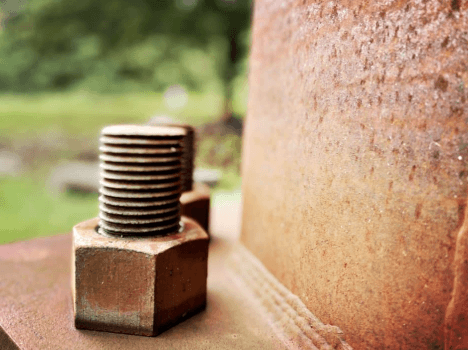
Rust is a persistent challenge for manufacturers, maintenance teams, and metalworking businesses. When iron-containing materials are exposed to moisture and oxygen, corrosion can develop and gradually affect appearance, coating performance, and—in severe cases—structural integrity. Removing corrosion is therefore an important step in refurbishment and surface preparation, but the chosen method must match the condition and intended use of the component.
Why Rust Removal Requires Careful Planning
Not all rust is the same. Light surface oxidation may be relatively easy to remove, while heavy corrosion can penetrate the material and leave pits or areas of reduced thickness. Painted parts may also contain several layers of coating, and the condition beneath those layers may not be immediately visible.
Before cleaning begins, inspect the component and establish whether it is suitable for reuse. Cleaning can expose damage that was previously hidden, but it cannot restore metal that has already been lost through corrosion.
The correct process should remove the unwanted material while preserving the required dimensions, surface finish, and functional properties.
Comparing Common Rust Removal Methods
Mechanical methods such as wire brushing, grinding, and abrasive blasting are widely used because they can be effective for many applications. Chemical rust removers may also be appropriate when the material and operating conditions permit. Each method has its own requirements for labour, consumables, containment, and waste handling.
Laser-based cleaning offers an alternative for selected surfaces. Its effectiveness depends on the rust layer, substrate, laser settings, beam movement, and the level of cleanliness required. Testing is necessary before selecting a method for production use.
Businesses evaluating higher-powered options can review the Clyertek 2000W laser rust removal machine as part of their equipment research and application comparison.
Where Laser-Based Rust Removal May Fit
Refurbishing steel parts
Steel fixtures, brackets, machine components, and fabricated structures may develop surface rust during storage or use. A suitable cleaning process can prepare selected areas for inspection, repainting, or further treatment.
The process should be matched to the part’s condition. Thin or severely corroded components may be more vulnerable to heat or material loss than robust steel parts.
Preparing surfaces for protective coatings
Coating systems rely on appropriate surface preparation. Rust, loose scale, oil, and other contaminants can interfere with adhesion or reduce the durability of the finish.
The required surface standard should be established before cleaning. Depending on the coating system, visual inspection alone may not be sufficient; additional tests or preparation steps may be required.
Maintenance of tools and industrial equipment
Maintenance departments often handle parts with irregular shapes and difficult-to-reach surfaces. A cleaning trial can show whether laser equipment can reach the required areas and deliver an acceptable result without excessive handling.
Operators should avoid assuming that every material or coating can be treated with identical settings. Documented procedures help manage these differences.
Understanding the Role of Power
A 2000-watt rating describes nominal laser output power, but the actual removal rate depends on more than the power number. Beam delivery, scanning pattern, rust thickness, surface area, movement speed, and material properties all affect the outcome.
Higher power can be useful for certain demanding tasks, but it may also require greater attention to heat management and process control. The goal is not to maximise power indiscriminately; it is to achieve the required result efficiently and safely.
When comparing equipment, request information about suitable applications, operating conditions, service requirements, and performance on representative materials. A controlled demonstration can help clarify what the specifications mean in practice.
Preventing Rust From Returning
Rust removal is only one part of corrosion management. Once a component is clean, the business should decide how it will be protected from renewed corrosion. Depending on the application, protection may involve painting, powder coating, oiling, plating, controlled storage, or another approved treatment.
Timing matters because clean metal may begin to oxidise again under unfavourable conditions. The period between cleaning and applying a protective finish should be managed according to the material and coating requirements.
Storage practices can also make a difference. Keeping components dry, preventing condensation, and separating finished parts from corrosive residues can reduce the risk of repeat work.
Workplace Safety and Environmental Controls
Laser treatment may create hazards from direct or reflected radiation, heat, and airborne contaminants. Removing old paint or industrial coatings may release fumes or particles that require special handling.
A documented risk assessment should determine appropriate controls, such as an enclosed working area, interlocks, warning signs, laser-rated eyewear, local exhaust ventilation, and restricted access. Operators should be trained to recognise unsafe conditions and follow the manufacturer’s instructions.
Chemical and abrasive methods have their own hazards, including dust, splashes, spent media, and waste liquids. The chosen method should be assessed as a complete process rather than assumed safe because it uses a particular technology.
Measuring the Value of a New Process
Before changing the rust-removal workflow, record how the current method performs. Measure labour, preparation time, cleaning duration, consumable use, waste management, and rework. Also assess whether the finished surface meets the requirements of the next production stage.
Run a pilot with representative parts of different sizes and corrosion levels. Use the same acceptance criteria for the existing and proposed methods. This makes the comparison more useful for estimating operating costs and identifying where the new process has a genuine advantage.
Frequently Asked Questions
1. Can laser cleaning remove every type of corrosion?
No. Suitability depends on the corrosion condition, substrate, equipment, and required result. Deep corrosion may leave pits or structural damage even after surface rust is removed.
2. Does removing rust prevent it from returning?
No. Clean metal may corrode again if exposed to moisture and oxygen. An appropriate protective coating or storage method may be necessary.
3. What should be checked before treating a corroded part?
Assess the base material, remaining thickness, corrosion severity, coatings, required finish, and downstream use. Test the cleaning method and inspect the component before approving it for reuse.
See also: The ROI of Using a DTF Gangsheet Builder for Small Businesses
Conclusion
Rust removal can improve the condition of metal surfaces and prepare components for inspection, repair, or finishing, but the method must suit the material and level of corrosion. Laser-based systems may be valuable for selected industrial tasks when supported by proper testing, safety controls, and realistic cost analysis. Combining effective cleaning with timely corrosion protection helps manufacturers reduce avoidable rework and maintain more reliable equipment and components.
