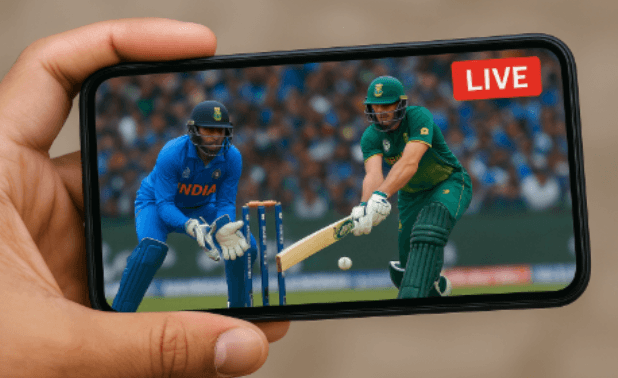
Cricket can look steady for a while, then turn in one over. A chase is under control, then the set batter mistimes one shot. A bowler looks easy to hit, then the ball gets older and starts stopping in the pitch. A team needs 48 from 36, which sounds fine, but the best death bowler still has two overs. This is why live odds do not wait for the final score. They move with the game. Sometimes the change is obvious. Sometimes it sits inside the next matchup, the surface, or the batter who has just walked in.
Live odds look beyond the score
The total gives the first answer, but it is rarely the full answer. Ninety for two after ten overs can be strong on a flat pitch with two set batters. It can also be fragile if both batters are new, the ball is gripping, and the hardest overs are still ahead. The same score can carry two different meanings.
That is why some fans check desi cricket live betting odds while following the match, especially when they want score movement, innings pressure, and changing conditions close together. Cricket does not stay still long. A focused live page helps keep the game in one place without making the reader jump between scorecards, short updates, and scattered comments.
A wicket is about timing
A wicket in the second over and a wicket in the seventeenth do not feel the same. Early wickets can be repaired if the batting side has time. Late wickets can hurt more because the new batter has no room to settle. The scorecard writes both as one dismissal. The match reads them differently.
The player also matters. Losing a lower-order hitter is one thing. Losing the batter who had already worked out the pace of the pitch is another. If the next player struggles against spin, the change becomes even bigger. Live odds react to that kind of detail because the next few overs may now look completely different.
Details that move the numbers
Some shifts are easy to notice. Others get missed because they do not look dramatic on the scorecard.
- A set batter gets out before the final overs.
- The required rate rises above the recent scoring pattern.
- The best bowler still has overs left.
- Dew makes the ball harder to grip.
- The pitch slows down and clean hitting becomes harder.
- A short boundary changes shot choice.
- Tailenders arrive earlier than planned.
These things often stack up. Dew matters more if spinners still need to bowl. Batting depth matters less if the surface is two-paced. A short boundary matters more when a left-right pair keeps moving the field. One detail can start the shift. Two or three together can change the whole reading of the match.
Match phase changes everything
A quiet over in the powerplay hurts because the batting side should be using field restrictions. A quiet over in the middle may be fine if wickets are being saved. Twelve runs at the death can be normal. Twelve runs from the best bowler in the attack can be a warning.
That is why one ball can fool the eye. A boundary does not always mean control. A dot ball does not always mean pressure. The phase gives each moment its weight. T20 cricket makes this very clear because the match changes almost every over. In ODIs, the pressure builds more slowly. In Tests, even a session without a collapse can move the reading because the ball gets older, the pitch wears, and the batting side uses time.
Fast numbers still need a cool head
Live odds can make a match feel more certain than it is. Cricket rarely works that neatly. Dropped catches happen. Reviews change innings. A tired bowler loses length. A fielder saves eight runs in two overs. Rain changes the chase. A batter cramps up. One over can make a number jump, but it may not tell the whole story.
The better way is to read the number next to the cricket. Who is batting? Who is left? Which bowlers still have overs? Has the pitch changed? Did the last few overs show a pattern, or was it just one good shot? One ball can lie. Four overs usually tell more.
Singles matter here. Big hits get attention, but strike rotation keeps chases alive. A pair finding gaps can stay close without many boundaries. A pair blocking and swinging may be in more trouble than the required rate suggests.
Reading the match before the result arrives
Live cricket odds shift because the match keeps giving new evidence. A wicket, a wet ball, a field change, a slower pitch, or one bad over from the wrong bowler can alter the next ten minutes. The final score tells people what happened. Live reading shows why it was already changing.
Odds are better treated as a signal, not an answer. They show movement. The cricket explains the reason. When fans connect the numbers with match phase, player roles, bowling options, and conditions, the game becomes easier to follow while it is still alive.
