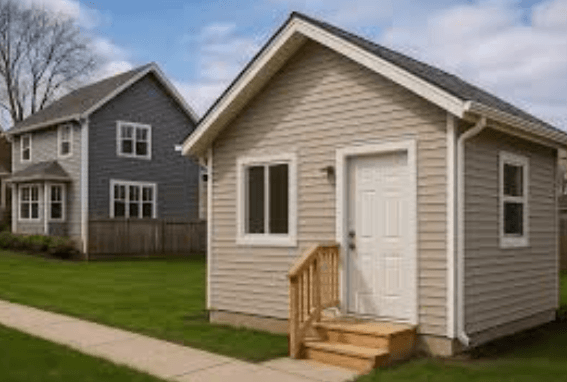
If you’re planning an accessory dwelling unit (ADU) in Ontario, ADU Grants Ontario programs can often help reduce up-front costs through municipal or provincial grants, forgivable loans, and incentives that cover permit fees, construction, or inspections. Explore available ADU grants and incentive programs to determine which options match your property, how much funding you could qualify for, and what documentation you must provide.
This article explains who typically qualifies, what types of funding exist (including grants, low-interest loans, and fee waivers), and how to navigate the application process so you can move from concept to construction with fewer surprises.
You’ll learn practical steps to check local eligibility, gather required documents, and prioritize the funding routes that most likely fit your project and timeline.
Eligibility Criteria and Qualified Applicants
You must own the property and meet specific property, documentation, and timing rules to qualify. Programs typically target owner-occupied sites, eligible building types, and applicants who can provide required permits and clear account status.
Types of Properties Supported
Most Ontario ADU grants apply to single‑detached homes, semi‑detached houses, row/townhouses, and certain multiplexes where an accessory dwelling unit (basement apartment, laneway suite, or garden suite) is permitted by local bylaws. Municipal programs often exclude non‑residential parcels, condos without a separate lot, and rental‑only investment properties unless specific rental‑conversion streams exist.
You must be the registered owner on title for the site in many programs. Some grants allow multi‑unit buildings only when the ADU is internal (e.g., creating a secondary suite inside an owner‑occupied duplex) and when local zoning and building codes permit the change.
Check municipal maps and zoning definitions before applying. Pre‑approved design lists or prefab unit restrictions may limit the ADU types funded, so confirm accepted construction methods and eligible project scopes with the program administrator.
Income and Residency Requirements
Several grants prioritize owner‑occupants who will live on the property during the grant term. You may need to certify primary residency for a stated period (commonly 3–10 years) and agree to occupancy covenants registered on title.
Some programs include income caps or target households under defined income thresholds to support affordable housing outcomes. Others instead require you to commit to renting the ADU at regulated rates for a set term if the goal is long‑term affordability.
Prepare documentation such as proof of residency (utility bills, driver’s licence), Notice of Assessment, and a signed owner‑occupant declaration. If the grant targets low‑to‑moderate income renters, you might need tenant income verification and a rental agreement that meets program conditions.
Application Deadlines
Grants are frequently funded on a first‑come, first‑served basis and may be retroactive only to specific permit dates (for example, building permits issued after April 1, 2024). Missing a municipal application window can disqualify your project, even if you meet all other criteria.
Timelines usually require submission of a complete application packet before construction starts or before a specified cut‑off date. Expect requirements such as a building permit number, site plan, cost estimates, and proof that municipal accounts (property tax, water/sewer) are in good standing.
Track program announcements and reserve funding early. If a program uses rolling intake, submit early with complete documentation to avoid delays or losing access to limited funds.
Funding Options and Application Process
You can access grants, low-interest loans, and municipal incentives to lower upfront costs and meet code requirements. Expect programs with fixed maximums, application steps that include pre-approval and inspections, and a specific set of documents required at each stage.
Available Grant Amounts
Municipal and provincial programs typically cap grant amounts; common ranges are $5,000–$25,000 for smaller incentives and design or permit rebates. Some municipalities offer fee waivers or tax rebates that effectively reduce costs without direct cash payments.
The federal Secondary Suite Loan Program provides low-interest financing up to $80,000 for eligible secondary suites, which can be combined with local grants where rules allow. Check program rules for stacking limits and whether funds cover construction, inspections, or only retrofits.
Note amounts vary by city and program year. Confirm current maximums with your municipality or program portal before budgeting. Also confirm whether grants reimburse after work is completed or provide upfront funding.
See also: The Future of IoT Technology
Step-by-Step Application Guide
Start by confirming eligibility: property type, zoning, owner-occupancy, and whether the suite meets size and safety criteria. Contact your municipal planning or housing office for pre-application advice and any required pre-approval.
Prepare your application package and submit through the designated portal or office. Typical steps:
- Pre-application consultation or site visit
- Complete application form and submit documents
- Wait for review; respond to technical queries
- Receive conditional approval or request for revisions
- Complete construction/retrofit under approved plans
- Schedule final inspection for release of funds
Track timelines carefully: review periods and inspection scheduling often determine when funds are released. Keep copies of communications and change orders; unapproved changes can void funding.
Required Documents
You usually need proof of property ownership, photo ID, and recent property tax or utility bills to demonstrate occupancy. Include a site plan, floor plans showing the proposed ADU layout, and architectural drawings stamped by a qualified professional if required.
Provide a detailed cost estimate or contractor quote that breaks down labour, materials, and permit fees. Include current permits or permit applications, and any energy- or safety-related reports (e.g., plumbing, electrical, structural) required by the program.
Financial documents may be requested for loan-linked programs, such as income proof, mortgage statements, and credit information. Finally, prepare to submit post-construction documents: inspection reports, final invoices, and proof of compliance to trigger reimbursement or final funding release.
